About
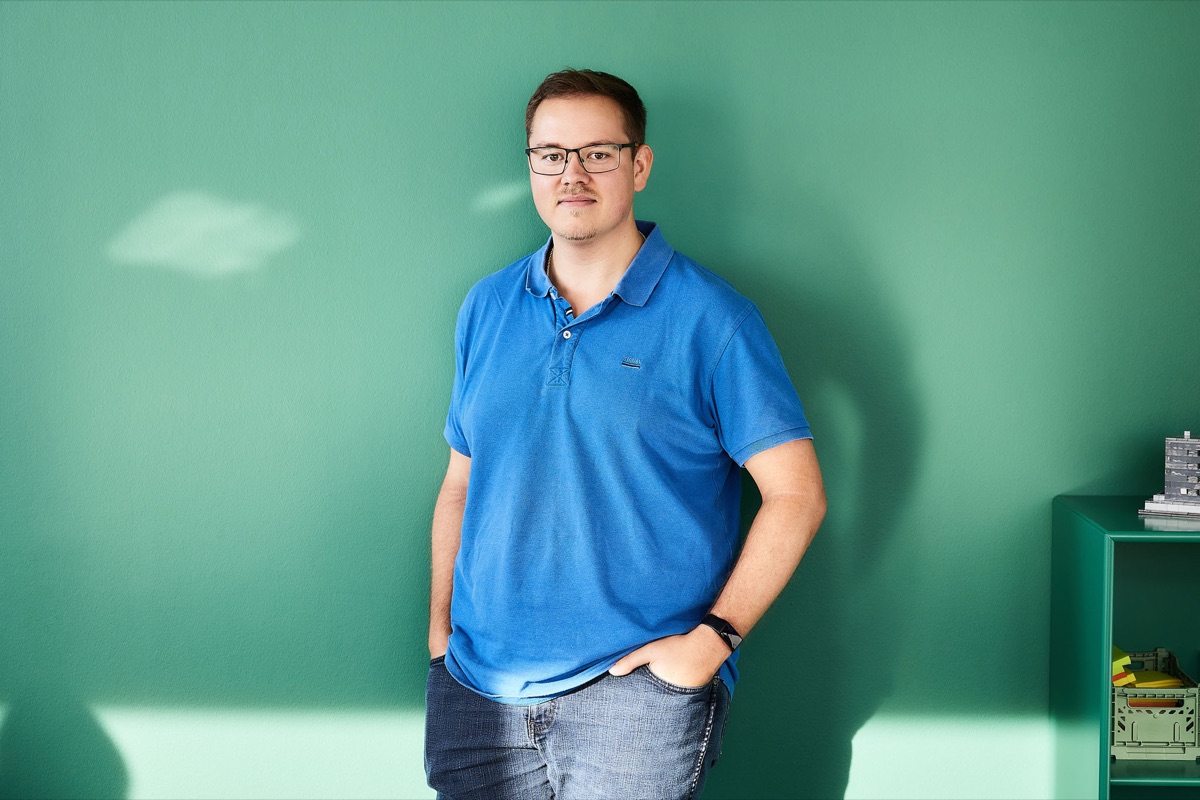
I have worked in software delivery since 2017, first as a developer and later as a Scrum Master, Product Owner, guild master, facilitator, and mentor. Most of that experience comes from large organisations where the problem crossed team, system, and reporting lines.
What have I actually done?
As Product Owner for a customer-service platform, I worked with data spread across seven ERP and four CRM systems in a company built through successive mergers of 44 regional companies. The initial scope covered six customer-service teams. In the final year, usage tracking recorded more than 600 users on a normal weekday and between 1,000 and 1,200 over a week. My part was to connect discovery, technical feasibility, and delivery: understand the work with customer-service staff, decide what was worth building, and keep delivery in small enough slices to test with real users.
I have also led an internal Agile guild that grew from five to twelve active members during company-wide cost cutting and continued growing after participation became fully voluntary. I have mentored two Scrum Masters and two Product Owners. Those relationships did not use one standard programme; the useful work began with finding out what each person actually needed.
How technical am I?
I am a civil engineer by training, with bachelor’s and master’s degrees in computer software engineering. I started my career as a developer in the software-development department of a large corporation. As I moved into other roles, I kept working directly with software engineers on architecture, design, and feasibility.
On the customer-service platform, I worked closely with the lead developer and represented the team’s technical direction to stakeholders and sister teams. I can follow architectural and design arguments, question the trade-offs, and carry the reasoning accurately between engineers and people outside engineering. Writing production code is no longer my main work, and I do not present myself as the client’s architect.
What kind of work fits?
I take short, defined remote engagements rather than full-time positions. The work may involve diagnosis, facilitation, coaching, mentoring, or a product or delivery problem. The important condition is that it can be done well remotely and at low weekly hours, expanded when the situation justifies it.
If a proposed task needs an on-site presence or a full-time seat, I will say so. I would rather decline work that does not fit than accept it and hope the shape can be repaired later.
Where does Roaming Minds House fit?
Roaming Minds House is the umbrella for my consulting and independent work. It is a registered Danish company and the entity through which engagements are contracted.